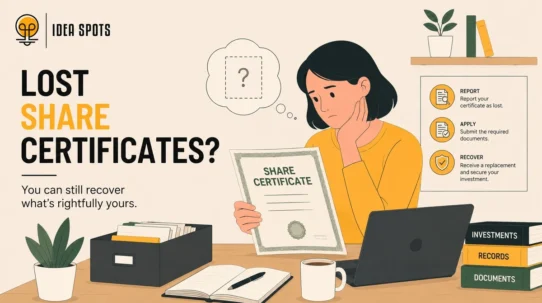






Some families only discover, years later, that a parent, spouse, or grandparent may have had a life insurance or funeral policy nobody knew about.
Sometimes the paperwork is buried in an old file. Sometimes a premium used to come off a bank account and nobody noticed what it was for. And sometimes a family only starts asking questions after a death, when they need answers most.
If you think there may be a forgotten policy, do not assume the money is gone. Start with a careful search and deal directly with the insurer wherever possible.
The short answer
For a possible life-policy or investment benefit, the Association for Savings and Investment South Africa (ASISA) directs people to contact the relevant financial-services company. The Financial Sector Conduct Authority (FSCA) unclaimed-benefits search is different: it is intended for retirement-fund benefits.
So, if you know or can work out which insurer held the policy, contact that insurer first.
Start with the clues you already have
If you can find a policy number, include it in your enquiry. The more details you can collect, the easier it will be for an insurer to search its records.
Try to find:
- The policyholder’s full names, previous surnames, and ID or passport number
- Date of birth and, if relevant, date of death
- Old policy documents, premium receipts, emails, SMSes, or letters
- Bank statements showing recurring deductions
- The name of a former employer, financial adviser, union, or funeral society
- Information about an old investment, retirement annuity, endowment, or funeral plan
If the policyholder has died, keep the death certificate handy. You may also need to show why you are entitled to enquire about the policy, for example, because you are a named beneficiary, spouse, executor, or authorised representative.
Contact the insurer through its official channels
Once you have a likely insurer, go to its official website and use the customer-service details shown there. Ask for the team that deals with one of the following:
- Lost or unclaimed policies
- Life or funeral policy claims
- Deceased-estate claims
- Unclaimed investments
Tell them you are trying to establish whether a policy or unpaid benefit exists. Ask for a reference number, write it down, and keep copies of every email you send.
The company may ask for identity documents and proof that you have a valid interest in the policy. That is normal. Insurers cannot simply disclose a person’s financial information to anyone who asks.
If you do not know which insurer held the policy
This is where a little detective work can save you a lot of time.
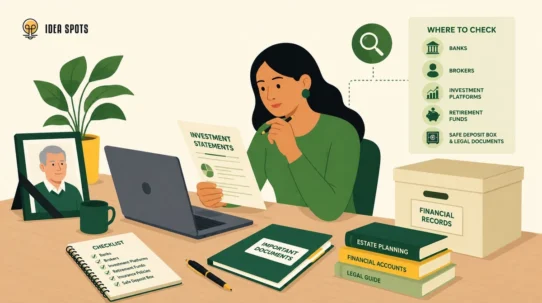
Go through old bank statements and look for regular deductions. The transaction description may point to an insurer, a broker, or a funeral-plan provider. Check old emails, filing cabinets, wallets, and phones too. Policies are sometimes linked to a workplace benefit, a union, a burial society, or an adviser rather than a policy bought directly from an insurer.
Former employers are worth contacting, especially if the person worked somewhere for many years. Ask whether group life cover or a death benefit formed part of the employee package, and who administered it.
If you identify a possible insurer, use its own website or published call-centre number to verify that it is genuine before sending documents.
Do not confuse a life policy with an unclaimed pension benefit
This is an important distinction.
The FSCA has a public search tool that can help people check for unclaimed retirement-fund benefits. It is useful if the person may have left retirement-fund money behind through a former job or other retirement savings.
But it is not a universal search engine for forgotten life, funeral, or investment policies. For those, the insurer or investment company is usually the right place to start.
If you are also looking for money from a former job, read our guide on how to check unclaimed pension fund benefits in South Africa.
What documents might you need?
Every insurer has its own process, but it may ask for some combination of:
- A certified copy of your ID or passport
- The policyholder’s ID or passport details
- A death certificate, if the policyholder has died
- Proof of your relationship to the policyholder
- A letter of executorship or other authority to act for an estate
- Banking details for a valid claim
- Any policy documents, premium receipts, or previous correspondence you can find
Do not be discouraged if you do not have everything on day one. Ask the insurer for its written list of requirements and work through it step by step.
What happens once a policy is found?
Finding a policy is the first step, not always the final one. The insurer still needs to check the policy terms, who the beneficiaries are, and whether the claim requirements and documents have been met.
Keep the process organised. Save every reference number, make a note of who you spoke to, and follow up in writing when possible. It is much easier to resolve delays when you have a clear record of what was submitted and when.
ASISA’s guideline on unclaimed assets notes that insurers should take steps to trace customers and beneficiaries when certain warning signs appear, such as returned payments or undelivered communications. The guideline also says that unclaimed assets should not simply be treated as insurer income.
Watch out for scams and unnecessary middlemen
A real insurer may need documents before it can discuss or pay a claim. What it should not need is your banking PIN, card PIN, or a once-off password.
Be cautious if someone contacts you unexpectedly and says they can release policy money for an upfront fee. Before sharing documents or paying anyone:
- Call the insurer using the number on its official website
- Ask for the person’s full name and a case reference
- Never share your banking PIN, card PIN, or OTP
- Do not send ID documents to an unverified WhatsApp number or email address
- Ask for the claims process and any charges to be explained in writing
When in doubt, slow down. A genuine claim does not become safer because someone is pressuring you to act immediately.
A simple checklist before you begin
Keep these items together in one folder:
- The policyholder’s full name and ID number
- Any former names or surnames
- Death certificate, if applicable
- Your own ID and proof of your relationship or authority
- Former employer, adviser, or insurer details
- Old bank statements and policy paperwork
- Notes of calls, emails, and reference numbers
Tracing a forgotten policy can take patience, especially where the policyholder has passed away or records are old. But a calm, documented enquiry made directly to the right insurer is usually the safest way to begin.
For a wider list of places where money may be waiting, see Unclaimed Money in South Africa: Every Register That Could Be Holding Your Cash.
Frequently asked questions
Can I check for a deceased parent’s life insurance policy?
Yes. Start by identifying possible insurers and contact them directly. Be ready to provide the deceased person’s details, a death certificate, and proof that you are entitled to enquire.
Is there one database for all lost life insurance policies in South Africa?
No. The FSCA’s online search is for unclaimed retirement-fund benefits. For a possible life or funeral policy, contact the insurer or investment company involved.
Can an insurer ask for proof that I am a beneficiary or executor?
Yes. Insurers must protect policyholder information and will normally require documents before discussing policy details or paying a benefit.
Should I pay someone to trace a policy for me?
Be very careful. Start with the insurer, former employer, or adviser yourself. If you use outside help, verify who they are independently and do not share banking security details or pay an unexplained upfront fee.